Good vs. Empty Calories: What You Should Focus on During Breakfast
Calories: more than just numbers
It is easy to get caught up in calorie counting, especially when it comes to breakfast. As a breakfast bar in the heart of Split, Croatia, we often see how focusing only on numbers can distract from what truly matters: nourishing the body with quality food.
The first meal of the day should not be about limiting calories, but about choosing the right ones.
What are calories really?
Calories are simply a unit of energy. Every food we eat provides our body with energy that allows us to move, think, work, and perform daily activities.
Whether it is a slice of bread, a piece of fruit, or a spoonful of peanut butter, each food provides fuel for the body.
The challenge appears when calories are reduced to numbers alone. Two meals can contain the same amount of calories but have completely different effects on the body depending on the nutrients they contain.
Good calories vs. empty calories
“Good calories” come from foods that provide energy together with essential nutrients such as vitamins, minerals, fiber, and healthy fats.
“Empty calories” often come from foods that contain large amounts of sugar, refined ingredients, or unhealthy fats. They provide quick energy but little nutritional value.
Examples of good calories
Whole grains
Oats, quinoa, and whole wheat provide slow-digesting carbohydrates that deliver steady energy throughout the morning.
Fruits and vegetables
These foods are rich in vitamins, minerals, antioxidants, and fiber while providing natural sugars that release energy gradually.
Lean proteins
Eggs, Greek yogurt, nuts, and seeds support muscle repair and help maintain satiety for longer.
Healthy fats
Avocados, nuts, seeds, and olive oil provide essential fatty acids that support brain health and help regulate appetite.
Examples of empty calories
Sugary cereals
Often high in sugar and low in nutrients, they cause a quick energy spike followed by a sudden drop in energy.
Pastries and processed baked goods
Croissants and donuts may taste good but usually contain refined sugars and unhealthy fats with little nutritional benefit.
Sweetened drinks
Sugary coffees or juices can lead to quick energy followed by fatigue and reduced concentration.
Why quality matters more than quantity
Breakfast should not be about counting calories but about choosing nutrient-dense foods that support your body.
Imagine two breakfasts with the same calorie count.
One is a sugary pastry and sweetened coffee.
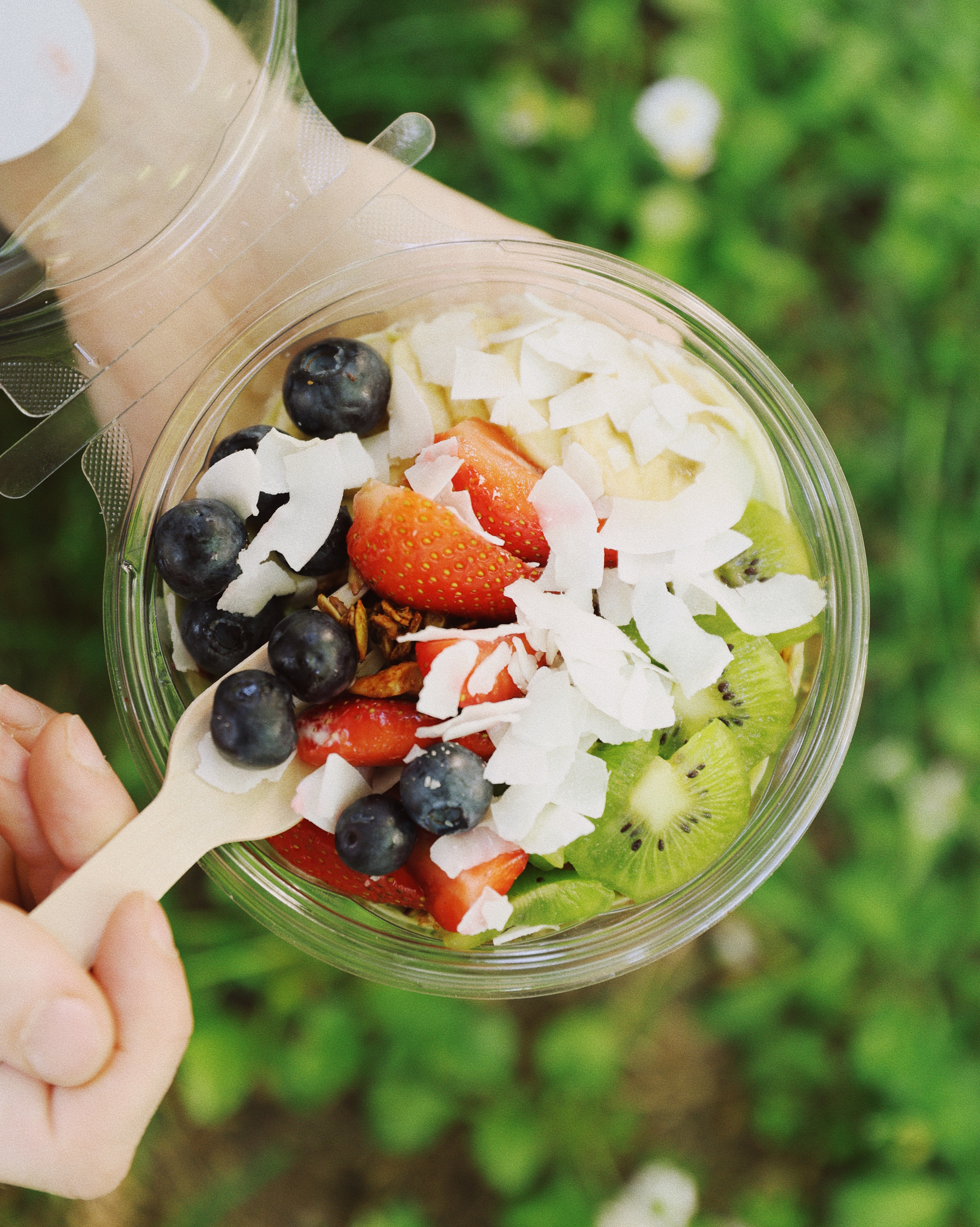
The other is a smoothie bowl made with fresh fruit, overnight oats, seeds, and peanut butter.
Although both contain similar calories, the smoothie bowl provides vitamins, fiber, healthy fats, and sustained energy, while the pastry often leads to a quick sugar crash.
Breakfast ideas that prioritize good calories
A balanced breakfast should combine carbohydrates, proteins, and healthy fats.
Smoothie bowls
Smoothie bowls are packed with nutrients. Start with fruit or leafy greens, add protein such as Greek yogurt or plant protein, and finish with toppings like nuts, seeds, or almond butter.
Overnight oats
Overnight oats are a simple make-ahead breakfast. Combined with fresh fruit, chia seeds, or a touch of maple syrup, they provide fiber, healthy fats, and steady energy.
Avocado toast with eggs
Whole-grain toast with avocado and eggs combines complex carbohydrates, healthy fats, and protein, creating a balanced and satisfying meal.
Greek yogurt parfait
Greek yogurt layered with fresh fruit, nuts, and honey creates a nutrient-rich breakfast that supports digestion and provides long-lasting energy.
Chia seed pudding
Chia seeds are rich in omega-3 fatty acids, fiber, and protein. When soaked overnight in almond milk or yogurt, they create a creamy breakfast option that can be topped with fruit or nuts.
Listen to your body, not the numbers
Modern culture often focuses heavily on calorie restriction. However, paying too much attention to numbers can distract from the real goal: nourishing the body properly.
When meals contain good calories from whole foods, the body receives the nutrients it needs for energy, focus, and wellbeing.
Instead of asking how many calories a meal contains, ask how it makes you feel. Does it keep you energized and satisfied, or does it leave you tired and hungry shortly after?
The body often provides the answer.
Final thoughts
Breakfast should not be about limiting calories but about choosing foods that nourish the body.
Meals rich in whole grains, fruits, proteins, and healthy fats provide sustained energy and support overall health.
The next time breakfast is on the table—whether at home or at Jo & The Sisters Morning Club in Split—remember that the most important thing is not the number of calories, but the quality of the food you choose.