Everything You Need To Know About Vitamins

When it comes to health, there’s a word we hear constantly: vitamins. They’re praised in advertisements, highlighted in health blogs, and printed on nearly every nutrition label. But how much do we really know about them? If you’ve ever found yourself asking what vitamins are, or wondering how to balance your intake of different types of vitamins, this vitamin guide is for you.
Explore the world of vitamins A to Z, how they function, where to find them, and why they matter.
What are vitamins and why do we need them?
Vitamins are organic compounds that the body needs in small amounts to function properly. They are essential for growth, immunity, digestion, and countless other physiological processes.
Unlike macronutrients like proteins or fats, vitamins do not provide energy directly, but they play critical roles in converting food into usable energy and maintaining overall health. Without the right vitamin functions operating at optimal levels, even the healthiest diet can fall short.
The human body can produce only a few vitamins on its own, such as vitamin D when exposed to sunlight, so most of them must be obtained through food or vitamin supplements. That is why understanding your daily vitamin requirements is an important part of long-term health and vitality.
Water-soluble vs. fat-soluble vitamins
Vitamins are classified into two main categories: water-soluble vitamins and fat-soluble vitamins.
Water-soluble vitamins, including vitamin C and all the B-complex vitamins, dissolve in water and are not stored in the body. This means they need to be consumed regularly, as any excess is excreted in urine. These vitamins are crucial for energy production, cell metabolism, and antioxidant protection.
On the other hand, fat-soluble vitamins A, D, E, and K are stored in the liver and fatty tissues. Because the body holds onto them, it is easier to accumulate higher amounts, which can sometimes lead to toxicity if taken excessively.
Understanding the difference is key when choosing vitamin supplements and determining the best time to take vitamins. For example, fat-soluble vitamins are best absorbed when taken with meals containing healthy fats, whereas water-soluble vitamins are often more effective when taken on an empty stomach or with a light meal.
Vitamin list: From A to Z
Your go-to vitamin list includes:
Vitamin A
Supports vision, immune health, and skin integrity. Found in liver, carrots, and sweet potatoes.
B Vitamins (B1 to B12)
A group of eight vitamins that support metabolism, brain function, and red blood cell formation. Rich sources include whole grains, legumes, meat, and eggs.
Vitamin C
A powerful antioxidant that aids collagen synthesis and immune defense. Found in citrus fruits, berries, and bell peppers.
Vitamin D
Regulates calcium levels and supports bone health. Produced via sun exposure and found in fatty fish and fortified dairy.
Vitamin E
Protects cells from oxidative damage. Found in nuts, seeds, and vegetable oils.
Vitamin K
Essential for blood clotting and bone metabolism. Found in leafy greens such as kale and spinach.
Natural sources of vitamins
When it comes to meeting your daily vitamin needs, whole foods are the most effective and reliable source. Nutrient-rich options such as fruits, vegetables, whole grains, nuts, and lean proteins each offer a unique vitamin profile.
Eating a colorful, balanced diet not only satisfies your taste buds but also increases your chances of naturally covering your daily vitamin requirements without relying on supplements. At Jo & The Sisters, the menu is carefully created to reflect this philosophy. Every dish and drink is designed to provide more than just flavor. It is nourishment with purpose.
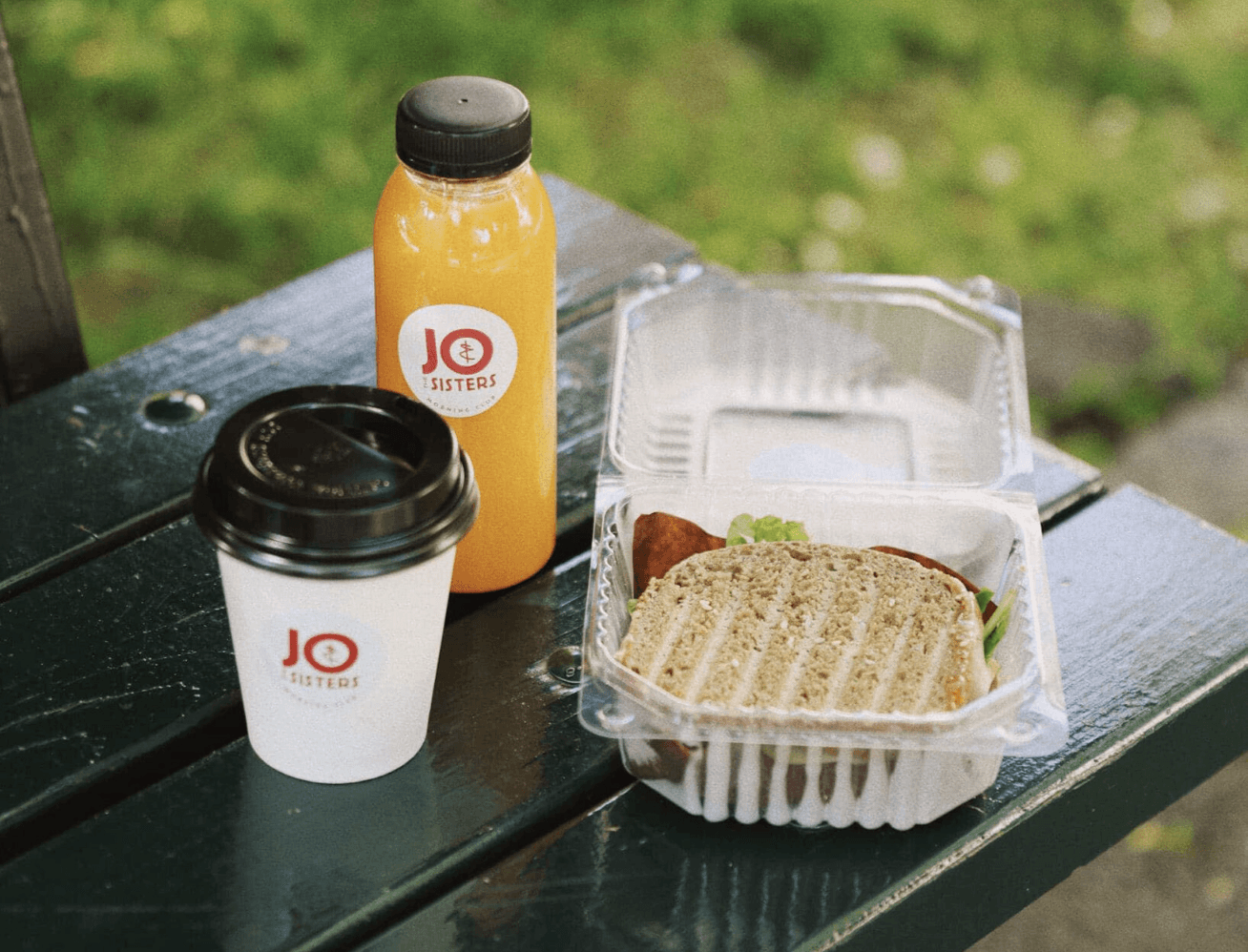
Avocado Royale Toast is a great example. Avocado and arugula bring in vitamins K and E, supporting blood clotting and antioxidant defense. Mozzarella adds vitamin B12, which is essential for nerve function, while whole-grain bread options provide B-complex vitamins like B1, B3, and B6 to promote metabolism and brain health.
Mediterraneo Toast offers a Mediterranean-inspired vitamin blend. Carrots and cabbage contribute vitamins A and C for vision and immune support. Sun-dried tomatoes add vitamin K, while turkey salami delivers niacin (B3) and B6, two vitamins important for energy production and red blood cell formation. Mozzarella adds an extra dose of B12.
On the beverage side, cold-pressed juices are a vibrant way to get your vitamins in.
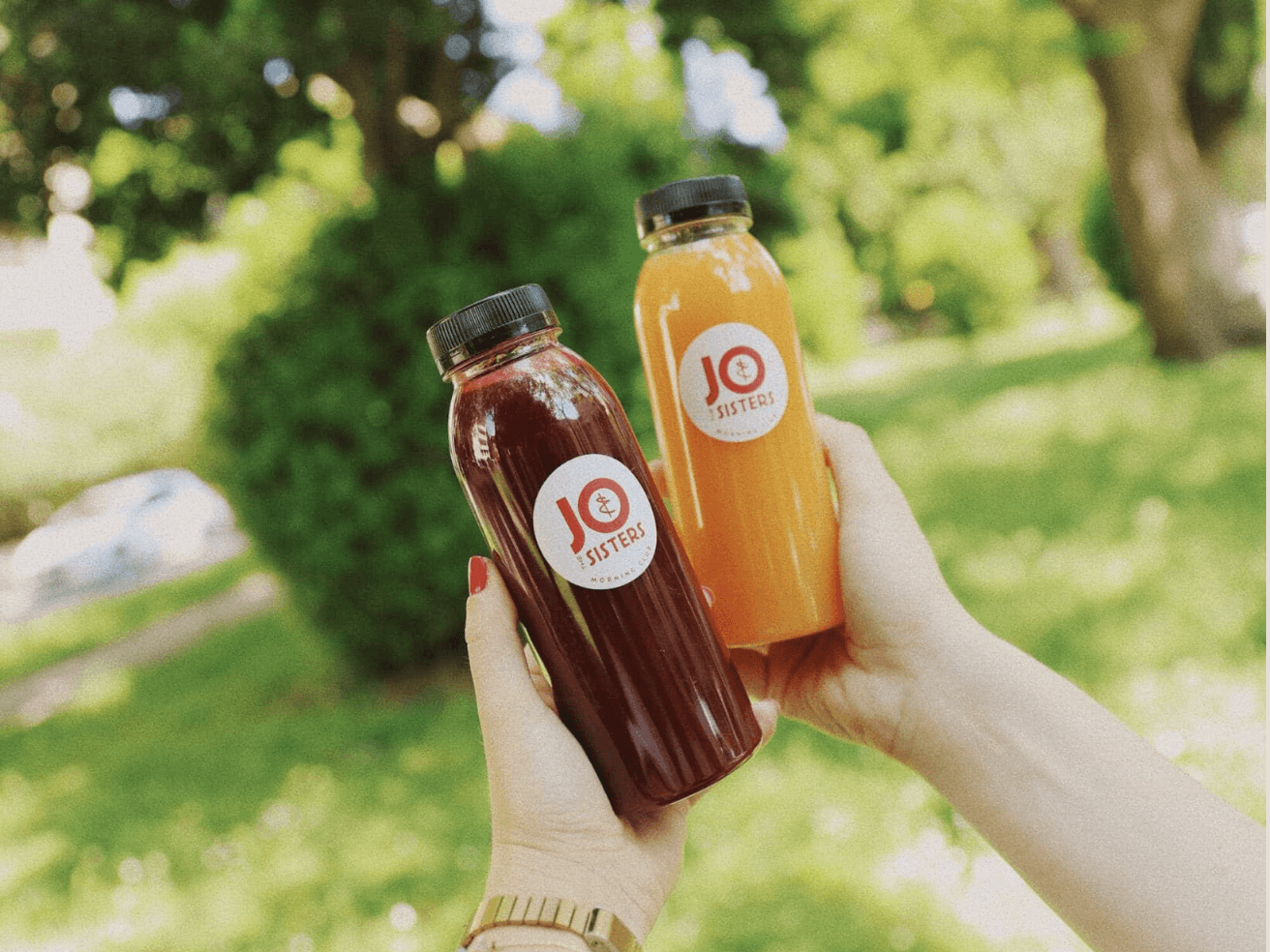
Sunshine Squeeze, made with orange, apple, carrot, and pineapple, is full of vitamin C to support immune strength and skin vitality. Carrots contribute beta carotene, a precursor to vitamin A, while apples add B vitamins and antioxidant polyphenols.
Matcha Crunch Bowl features Greek yogurt and matcha, both rich in antioxidants. Matcha provides vitamin C, while Greek yogurt supplies B12 and riboflavin to support red blood cell formation and energy levels. Seasonal fruits often add additional vitamins A and C.
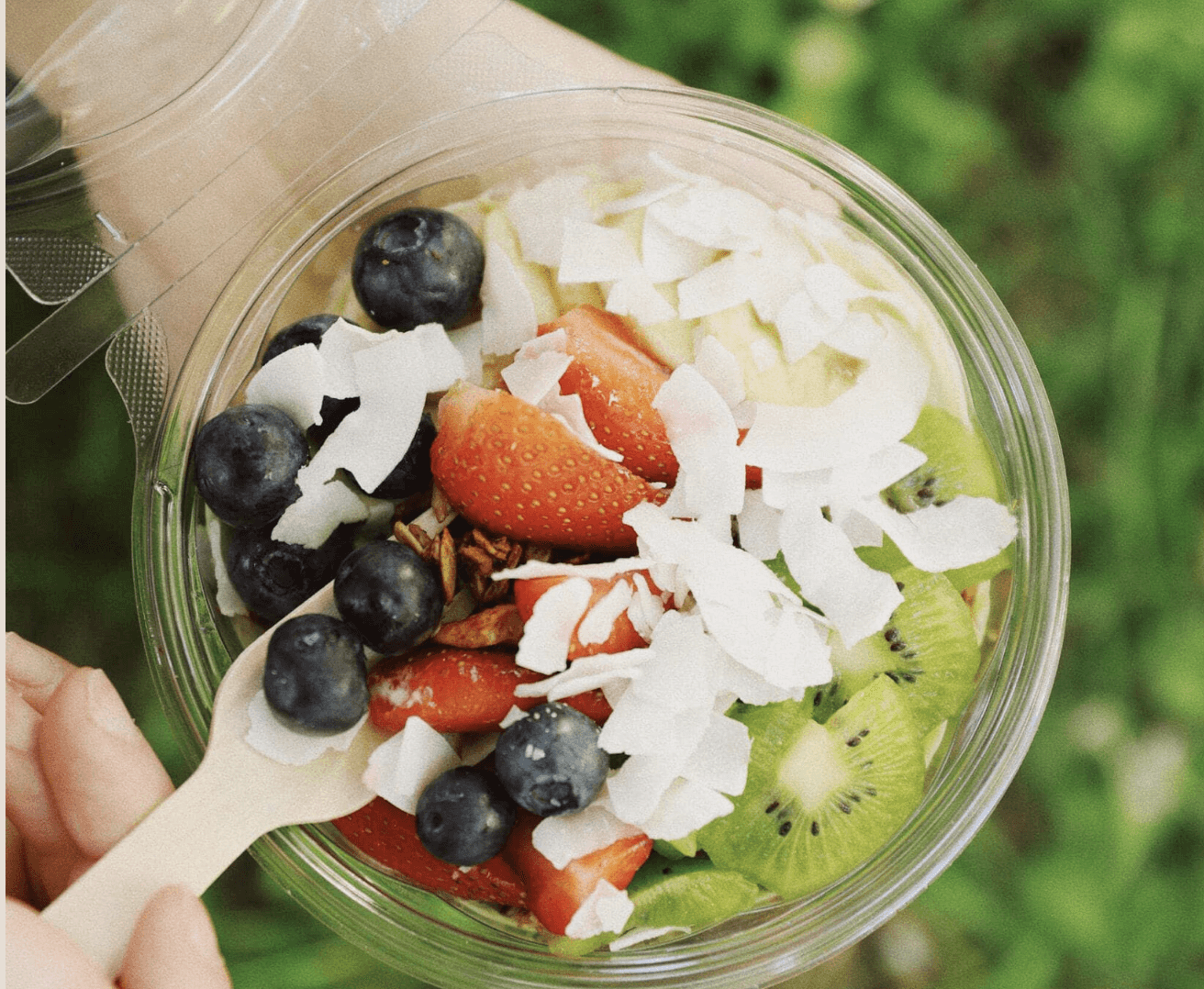
Strawberry Bowl combines overnight oats, flax seeds, fresh strawberries, and yogurt for a vitamin-rich breakfast. Strawberries and jam provide vitamin C and small amounts of vitamin A. Flax seeds contribute B1 and B6 for brain and nerve health. Yogurt adds B12, while coconut flakes provide vitamin E for cellular protection.
With every dish and drink designed for real nutrition, Jo & The Sisters makes it easy to enjoy food that supports your health. Whether you choose a smoothie bowl, vibrant toast, or fresh-pressed juice, you are fueling your body with natural vitamins in every bite and sip.
Vitamin absorption: making it count
Just because you consume a vitamin does not mean your body absorbs it effectively. Vitamin absorption can be influenced by many factors, including age, gut health, interactions with other nutrients, and even the time of day.
For example, calcium competes with magnesium for absorption, and high fiber intake can interfere with the uptake of some fat-soluble vitamins.

Meanwhile, vitamin C enhances iron absorption, making a glass of orange juice with your spinach salad a smart combination. Paying attention to these interactions ensures you are actually benefiting from what you eat.
Vitamin deficiency symptoms to watch for
Without adequate intake, vitamin deficiency symptoms can gradually appear. They may start subtly, with fatigue, poor concentration, or brittle nails, but can become more severe over time.
A lack of vitamin A can lead to night blindness, dry skin, and a weakened immune system. Deficiencies in B vitamins may result in anemia, fatigue, depression, and nerve damage.
If you are not getting enough vitamin C, you might experience bleeding gums, slow wound healing, and frequent infections. Low levels of vitamin D are often linked to bone pain, muscle weakness, and mood changes.
Red Revive, a bold blend of apple, carrot, and beetroot, delivers vitamin C and beta carotene along with folate (B9), which is essential for red blood cell development and DNA synthesis.
Green Goddess Juice combines apple, lemon, celery, spinach, and ginger to provide a full spectrum of important vitamins. Spinach supplies vitamins K, A, C, and folate. Lemon increases the vitamin C content and supports iron absorption.
Tropical Green Bowl delivers vitamins A and C from mango and goji berries to promote healthy skin and strong immunity.
Cookie Bowl provides vitamin E from sunflower seeds and almond milk, while oats and bananas offer B vitamins to support energy production.
Coco Berry Fusion Bowl is packed with vitamin C from strawberries and orange juice, while coconut and almond milks offer vitamin E and pistachios contribute B-complex vitamins.
Recognizing these signs early can help prevent more serious health issues and guide timely nutritional adjustments.
If you experience persistent symptoms, it is best to consult a healthcare professional who may suggest a blood test to evaluate your vitamin levels.
Vitamin supplements: help or hype?
In an ideal world, we would get all our nutrients from food. But life is not always that simple.
Whether due to dietary restrictions, health conditions, or modern farming practices that deplete soil nutrients, many people turn to vitamin supplements for support.
Supplements can fill nutritional gaps, especially for vulnerable groups such as pregnant women, vegans, or older adults. However, they should never replace a balanced diet.
Always choose high-quality supplements and pay attention to dosage. More is not always better, especially with fat-soluble vitamins where overdose risks are real.
Spacing vitamins throughout the day can also improve absorption and reduce stomach discomfort.
Navigating your vitamin journey
From the science behind vitamin absorption to the risks of vitamin overdose, navigating the world of nutrients can feel overwhelming.
But understanding the basics, the types of vitamins, their functions, where to find them, and how to use them, empowers you to take control of your health.
Next time you reach for a colorful plate of food or a fresh juice, remember that you are not just eating. You are investing in your future self.